The holidays arrive quietly at first—an invitation here, a dinner there—then suddenly you’re surrounded by tables that feel heavier than usual. Richer. Louder. More emotional. And almost everywhere you look, there’s an unspoken agreement that weight gain is simply part of the deal.
Search engines know this. Every December, millions of people ask the same anxious questions in slightly different ways. How bad will it be? How do I undo it later? Does any of this even matter?
But there’s another kind of reader here. Someone who doesn’t want to “fix” January. Someone who wants to move through the holidays steady, present, and intact—physically and mentally. If that’s you, the Mediterranean diet isn’t a compromise. It’s leverage.
This guide isn’t about resisting the holidays. It’s about stepping into them differently.
Why Holiday Weight Gain Feels So Inevitable (and Why It’s Not)
Holiday weight gain doesn’t usually come from overeating once. It comes from permission stacking.
A cookie because it’s tradition. Another because you already had one. A drink because it’s rude not to. Seconds because tomorrow you’ll “be good.” Days blur. Structure dissolves. And suddenly, the body feels unfamiliar.
What’s really happening isn’t just physical. It’s psychological.
Routines loosen, and decision fatigue takes over
Ultra-processed foods crowd out anything grounding or filling
Stress runs high, sleep runs low, and hunger cues get noisy
Guilt creeps in early, making restraint harder—not easier
Biologically, this shows up as blood sugar swings, water retention, and cravings that feel outsized. Emotionally, it feels like losing the thread of yourself.
The Mediterranean diet interrupts this—not with rules, but with rhythm.
The Mediterranean Advantage During the Holidays
The Mediterranean diet doesn’t clash with celebration. It was built around it.
At its core, it’s a pattern of eating that favors fullness over frenzy. Meals that slow you down instead of speeding you up. Foods that satisfy before they overwhelm.
What makes it so effective for holiday weight maintenance isn’t willpower—it’s design:
Healthy fats like olive oil and nuts create early satiety
Vegetables and legumes add volume without heaviness
Protein shows up consistently, but never aggressively
Carbohydrates are present, but calm—whole, fibrous, grounding
Meals are paced, shared, and meant to be enjoyed
Together, these elements stabilize appetite and quiet the urge to keep reaching for more. From a search perspective, this naturally reinforces key entities—Mediterranean diet, holiday eating, weight maintenance, metabolic health—while giving readers something more valuable than advice: relief.
A Simple Holiday Framework That Actually Works
Most holiday eating advice collapses under real life. This one doesn’t, because it mirrors how people already move through events.
Before the Event: Don’t Arrive Empty
Showing up hungry changes everything—and not in your favor.
A Mediterranean-style pre-event meal doesn’t have to be elaborate. It just has to be grounding.
Greek yogurt with walnuts and berries.
A bowl of lentil soup finished with olive oil.
A vegetable-heavy salad with feta and lemon.
You’re not “saving calories.” You’re giving your body a signal that food is abundant. That signal alone softens urgency once you arrive.
During the Event: Build the Plate, Don’t Battle It
Forget the idea of “being good.” Focus instead on sequence.
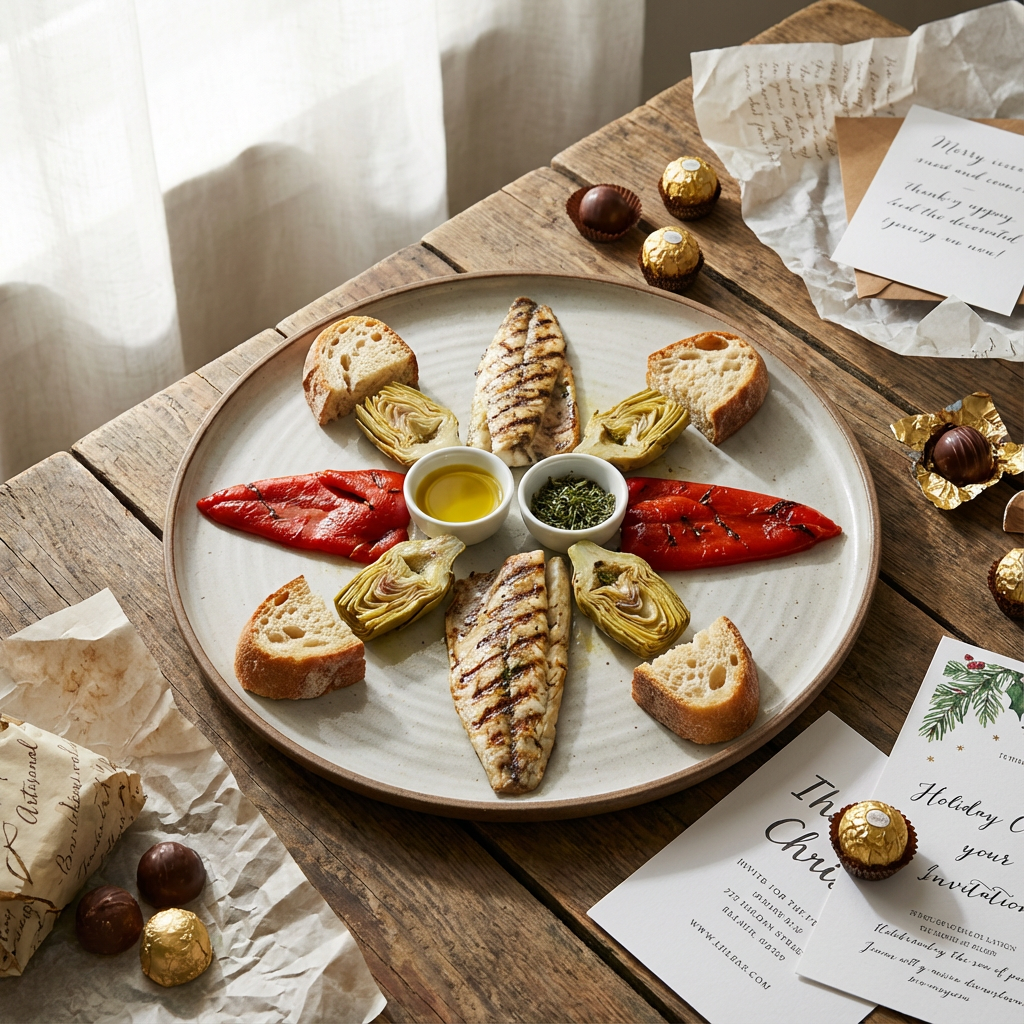
Start with vegetables. Fill half the plate if you want—salads, roasted vegetables, dips like hummus or baba ghanoush. Then add protein: fish, chicken, legumes, eggs, yogurt-based dishes. Carbohydrates come last, in portions that feel intentional rather than automatic.
Dessert isn’t off-limits. It’s just not a free-for-all.
Choose what you actually want. Eat it slowly. Let it register.
This approach does something subtle but powerful. It lets you belong socially while staying aligned internally. No drama. No white-knuckling.
Alcohol Without the Spiral
Alcohol isn’t inherently disruptive. Drinking without context is.
The Mediterranean pattern favors wine, with food, sipped slowly. One glass feels very different from three rushed drinks on an empty stomach. Blood sugar stays steadier. Late-night snacking loses its grip.
It’s not about abstaining. It’s about anchoring.
After the Event: No Guilt, No Compensation
This is where most people go wrong.
There’s no “reset,” no punishment, no extra workout to erase anything. The very next meal looks normal again: vegetables, protein, olive oil. A walk later, maybe. Sleep when you can.
Consistency—not correction—is what keeps weight stable.
Mediterranean Holiday Foods That Work With You
Some foods make it harder to stop eating. Others quietly take the edge off. The Mediterranean diet leans heavily toward the latter.
You can be generous with:
Extra virgin olive oil
Vegetables in any form
Beans, lentils, chickpeas
Seafood
Nuts and seeds
Fermented dairy like Greek yogurt and feta
These foods create fullness without that overstuffed feeling. They also carry strong associations in search engines with sustainable, anti-inflammatory eating patterns—another reason they anchor authority so well.
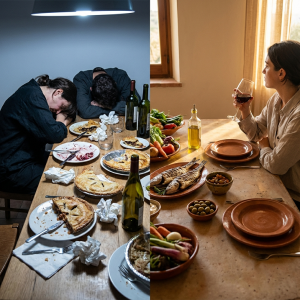
Why Mediterranean Cultures Don’t Panic About the Holidays
In many Mediterranean regions, celebratory meals aren’t rare events. They’re just meals with more people and better ingredients.
People walk daily. Meals are eaten slowly. Stopping when satisfied is normal. There’s no emotional whiplash between indulgence and restraint.
Holidays don’t break the system because there is a system.
That continuity is what most modern holiday eating lacks.
When the Holidays Become an Advantage
Something interesting happens when you move through the season without weight gain. January feels different. Calmer. Lighter—not just physically, but mentally.
There’s no urge to “make up” for anything. No need to start over. The confidence carries forward.
This isn’t about discipline. It’s about alignment.
The Questions You’re Probably Asking Yourself
“Is it actually possible to maintain weight during the holidays?”
Yes—when fullness, routine, and mindset are working together instead of fighting each other.
“Do I need to track calories on the Mediterranean diet?”
No. When the foundation is right, appetite regulates itself.
“What if I overdo it one night?”
Then you eat normally at the next meal. That’s it.
“Can this really work every year?”
That’s why it works at all.
Explore More on This Topic
Mediterranean diet holiday meal plans
Mediterranean diet desserts
Anti-inflammatory Mediterranean foods
Mediterranean lifestyle habits
Products / Tools / Resources
If you want to make this way of eating easier—especially during busy holiday weeks—these tools can help:
High-quality extra virgin olive oil you actually enjoy using generously
Simple Mediterranean cookbooks focused on vegetables, legumes, and seafood
Glass food storage containers for soups, salads, and leftovers that make “normal meals” effortless
Comfortable walking shoes—underrated, but essential for keeping movement social and consistent
Wine glasses you love (one good glass encourages slower drinking more than rules ever will)
None of these are mandatory. They just make the Mediterranean rhythm easier to keep—quietly, steadily, and without turning the holidays into a project.