If you’ve spent years hopping from one “miracle” diet to another—white-knuckling through detoxes, fasting windows, and color-coded meal charts—you already know the truth: willpower doesn’t stand a chance against a system built on restriction. At some point, the body pushes back. So does the mind. And when it does, the weight creeps back on, often bringing a few unwanted friends with it.
That’s why more people are turning toward the Mediterranean diet, not as a diet in the trendy sense but as a pattern—a rhythm of eating that feels lived-in rather than forced. It’s grounded not just in nutrition research, but in culture, community, and a slower, steadier way of approaching food.
This guide is crafted to meet you exactly where modern search behaviors live: in the questions typed at 1am, the long-tail queries whispered into a phone, the quiet longing for something that finally feels doable.
Let’s walk through it—unhurried, clear-eyed, and with enough depth to satisfy the algorithms while speaking to the part of you that’s tired of starting over.
Why the Mediterranean Way Works When Restriction Doesn’t
A Pattern You Can Actually Live With
The Mediterranean diet isn’t a strict doctrine. There’s no laminated list of “off-limit” foods or color-coded zones. It’s built on recognizable, everyday ingredients:
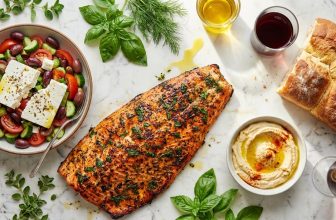
vegetables glistening with olive oil, fresh herbs, beans simmered slowly, fish baked with lemon and garlic, whole grains, fruit, nuts.
These foods form a pattern—a way of eating that supports long-term weight management without pulling your life apart.
Because Enjoyment Is a Strategy, Not a Compromise
Think about every diet you’ve abandoned. Chances are, it wasn’t because you didn’t care enough. It was because you were asked to white-knuckle through a way of eating that didn’t match how humans are wired.
Mediterranean-style eating leans into:
satisfying textures
generous flavors
foods that actually keep you full
Pleasure isn’t the enemy of sustainable weight loss; it’s the glue that makes it stick.
The Body Responds Better to Balance Than Extremes
A plate filled with whole grains, vegetables, beans, healthy fats, and lean proteins tends to create steadier energy patterns. Meals built this way may help support more consistent hunger signals and fewer erratic cravings.
Lifestyle, Not Punishment
What makes the Mediterranean approach stand out is the way the lifestyle wraps around the food: longer meals, shared dishes, walks woven into daily life, a slower pace. Diets ask you to fight yourself. This pattern invites you to live differently.
The Core Principles Behind a Mediterranean Diet Plan for Sustainable Weight Loss
1. Foods That Keep You Genuinely Full
Fiber-rich vegetables, hearty beans and lentils, whole grains, and healthy fats form the backbone of this way of eating. These foods don’t just fill space on a plate—they help create meals that actually satisfy.
2. Making Peace With Healthy Fats
Olive oil, nuts, seeds, avocados, and fish play starring roles here. These fats are rich, flavorful, and help meals feel complete. They also make the difference between a way of eating you merely endure and one you can keep showing up for.
3. Build a Plate That Feels Balanced—not “perfect”
A Mediterranean-inspired plate often looks something like:
Half the plate vegetables
A quarter whole grains or beans
A quarter lean protein
A swirl of olive oil
Herbs or spices
Simple, flexible, human.
4. Choose Slow-Burning Carbs
No carb fear-mongering here. Foods like barley, lentils, farro, potatoes, beans, and fruit bring long-lasting energy and help meals feel grounding rather than spiking.
5. Eat Like You’re Actually Present
Mediterranean cultures tend to eat slowly, often with company, savoring flavors instead of inhaling food between emails. When you’re present with your food, you naturally regulate more gently.
A 7-Day Mediterranean-Style Rhythm for Sustainable Weight Loss
Below isn’t a prescriptive “plan” with exact portions—just a flexible rhythm inspired by Mediterranean traditions. Adjust to taste, lifestyle, schedule, and preference.
Breakfasts That Set the Tone
Greek yogurt with fruit and nuts
Eggs cooked with vegetables and olive oil
Whole-grain toast with avocado and a sprinkle of herbs
Lunches That Keep Energy Even
A lentil salad dressed with lemon and oil
Chickpeas tossed with greens and whole grains
Tuna or salmon over roasted vegetables
Dinners That Restore Rather Than Overwhelm
Baked fish with olive oil and herbs
Vegetable-forward pasta tossed lightly in olive oil
Bean and vegetable stews simmered slowly
Snacks That Don’t Derail
Fruit
Nuts
Hummus with vegetables
These options build in steadiness—no “perfect eating” required.
How to Shape the Mediterranean Pattern Around Your Own Life
Flexible Swaps Keep You From Burning Out
Swap within categories rather than following rigid lists:
Beans instead of fish
Farro instead of rice
Roasted vegetables instead of salads
Olive oil instead of butter
It stays Mediterranean because of the pattern—not because of specific recipes.
Portions Guided by Your Own Cues
Instead of counting every calorie, slow down enough to hear your body’s quieter signals:
How hungry am I?
Does this food feel grounding or rushed?
Am I satisfied, not stuffed?
Mediterranean eating is built on responsiveness, not control.
Make It Culturally Yours
This pattern adapts to vegetarian lifestyles, different cooking traditions, tight budgets, or busy schedules. There is no single “authentic” menu—only principles you can fit around your life.
Habits That Make the Mediterranean Lifestyle Stick
Move the Way Mediterranean Cultures Move
Not through intense, punishing bursts, but through consistent, everyday motion:
walking
stretching
chores
joyful, steady activity
Effort without burnout.
Eat With Awareness, Not Anxiety
Put your phone down. Notice your meal. Not to be virtuous—but to be present enough to feel what your body registers.
Let Stress Ease Its Grip
Mediterranean cultures emphasize community, conversation, rest, and pacing. Reducing stress supports steadier habits—not through hacks, but through gentler daily rhythms.
Questions People Quietly Ask Themselves (and the Answers They’re Actually Looking For)
“Will this way of eating work for real life, not just for perfect people on Instagram?”
Yes. It’s built for people with busy lives, families, limited time, and imperfect habits. Flexibility is part of the DNA.
“Do I need to give up carbs?”
No. The Mediterranean pattern embraces whole-food carbohydrates—grains, beans, fruit, vegetables.
“Can I do this if I’m vegetarian or plant-focused?”
Absolutely. Legumes, lentils, grains, nuts, vegetables, and olive oil fit effortlessly into a plant-forward version.
“Do I have to track calories?”
Most people using this pattern rely on meal balance and hunger cues instead of strict tracking.
“Is this diet expensive?”
It doesn’t have to be. Beans, seasonal produce, whole grains, and olive oil can be extremely cost-effective.
Ready to Bring the Mediterranean Lifestyle Into Your Own Kitchen?
If you’re feeling that pull toward a gentler, more grounded way of eating—the kind that isn’t about punishment or perfection, but about real food and habits you can actually keep—this is the perfect moment to start building your Mediterranean rhythm at home.